Search This Blog

Showing posts with label trees. Show all posts

Tuesday, August 13, 2019

Environmental Activism by Young People - like Save Aravalli Trust

We were invited to participate with this :

25 of us cleaned a portion of sec 7 housing board colony park one morning 7.30-9 am. It was good fun. People from seven different residential areas participated in cleaning the park.

Two bags of plastics, rubber were taken out including many gutka packets. we bought the bags back to be put into garbage clearance.
Vineet of Save Aravalli Trust had organized this gathering. He is the one in a red T-shirt talking to people at the end of the clean up.

Save Aravalli Trust was started in Faridabad by the children of villagers who had monopolized rock mining for decades there. A portion of the Aravallis were thus destroyed and only after severe supreme court injunctions was the mining stopped. These educated young men want to give back to society what their parents took from it.

A chapter of the Save Aravalli Trust has been started in Bhiwadi and Vineet leads it. They all contribute their own time, money and hard work to environmental work, besides holding down full time jobs.

Sanjayji of Sec 7 Housing Colony cleaned up a large portion of the park by himself..

Mothers came with children to clean up..


Elders helped too.


As some housing board colony residents came to watch, we told them their trash, tipped over the wall into the park was likely a breeding ground for mosquitoes causing chikangunia, dengue and malaria..


The whole family, planting a bougainvillea cutting. There is a good boundary wall, but no vines covering it.

People keep jumping over the wall then, destroying it in the process. Vines play a big role in preventing such jumping over boundaries. They keep the environment cool, their woody parts store carbon di oxide, and best of all - birds find homes in them and you can enjoy bird sound.


We also planted some 20 four feet high trees and some 20 cuttings of pink bougainvillea dipped in rooting hormone.

Friday, January 25, 2019

Our childhood friend, the sparrow is in sharp decline - what can you do ?

Urban sparrow populations have been in decline since automobiles began replacing horse-and-buggies (tangas) as the transportation of choice and thus deprived sparrows of the chance to dip into horses' feed.

Later, rural populations of sparrows began to drop as well; pesticides and changing land use patterns were all thought to be part of that story.

However, neither of these compared to the precipitous decline that began in urban areas in the early 1990s. The decline this time around has been upto 70 % of sparrow populations in many parts of the world including India, and is linked to exhaust fumes from vehicles, declining nutritious food and lack of suitable nesting sites.

Insects and worms that are a critical part of the sparrow chick diet have been vanishing because of cemented areas and pesticide use.

Vines and hedges are an important nesting resource for sparrows and these have declined in numbers as have thick trees away from lights, noise and pollution.

Many studies were consulted for the above information : here, here, here, here, here and here.

What are sparrows like ?

Sparrows roost communally. Their nests are usually grouped together in clumps.

They engage in social activities such as dust or water bathing and "social singing", in which birds call together in bushes. Much communal chirping occurs before and after the birds settle in the roost in the evening, as well as before the birds leave the roost in the morning.

House sparrows consume grains in fields and in storage. They do not move great distances into grain fields, preferring to stay close to the shelter of hedgerows.

Sparrows can perform complex tasks to obtain food, such as opening automatic doors to enter supermarkets.

The house sparrow is monogamous, and typically mates for life.

Young house sparrows remain in the nest for a fortnight and are fed mostly on insects and worms during this period.

If both parents happen to perish, the ensuing intensive begging sounds of the young often attract replacement parents which feed them until they can sustain themselves.

Mortality is highest during the first year of life. Few sparrows survive in the wild past their fifth season.

What can you Do ?

From 5 sparrows visiting / living near our house in 2011, we now have about 40 who live in our garden most of the year. The steps we took around our house and garden were : 

# Bajra feeding stations - as many as we had space for in different parts of the house.
# Deep water bowls filled with water to the brim so they can easily drink and also bathe in the water.
# Leftover food is collected in kitchen by scraping clear plates and karahis and given to birds in separate dishes. 
# All utensils are washed atleast once in 2-3 days but washed away from the kitchen.
# Nest boxes are put up and cleaned once a year too. 
# No pesticides are used in our garden so worms / insects possibly abound. 
# We dont disturb the birds by sharp sounds.
# We try to keep cats away though are not always successful. Cats eat 1-2 birds for hunger but kill many more for play. Other predators such as owls or shikras kill only for hunger so are fine.

Thursday, October 11, 2018

The super cyclone that had struck Orissa back in 1999..

As I anxiously looked up news of cyclone Titli across Orissa and Andhra Pradesh (AP) (eight people dead in AP so far), I happened to read of the super cylcone that had struck Orissa back in 1999. The 16–20 ft surge brought water up to 35 km inland, carrying along with it coastal debris and inundating towns and villages. 1.6 MILLION homes were damaged. Estimates of the people dead ranged from 10,000 to 30,000. The storm surge killed the most people followed by torrential rain. 2.5 million people were marooned and nearly half a million livestock casualties were reported. In total, 13 million people were affected by the storm. 

Stations in Paradip and Bhubaneswar each recorded sustained winds of 150 km/h before their instruments failed. The strong winds damaged electric lines and uprooted trees over 50 years old in Puri and Kendrapada. Downed power lines across the state cut off communications between Odisha and the rest of the world for over 24 hours and caused widespread power outagesDue to severe damage to air traffic control infrastructure, the Biju Patnaik International Airport was closed until 2 November, curtailing relief operations.

Twelve districts of Odisha suffered severe damage, reporting complete breakdown of essential services. Over 70% of homes were destroyed across the seven worst affected districts. Some 11,000 schools were significantly damaged or destroyed. All major district roads in the area were either washed out or blocked by felled trees. In Bhubaneswar, 60% of trees were flattened by the winds and rain. aerial surveys revealed that the entire city was submerged by floodwaters. Thousands of people suffered chemical burns after the flooding mixed industrial chemicals into bathing ponds.

The destruction wrought by the cyclone was expected to cause a six-month-long total loss of normal livelihood. The Odisha Government made appeals to various non-governmental organizations as the government's relief supplies only covered 40% of affected areas. 

Friday, April 20, 2018

The Impact of Urban Trees

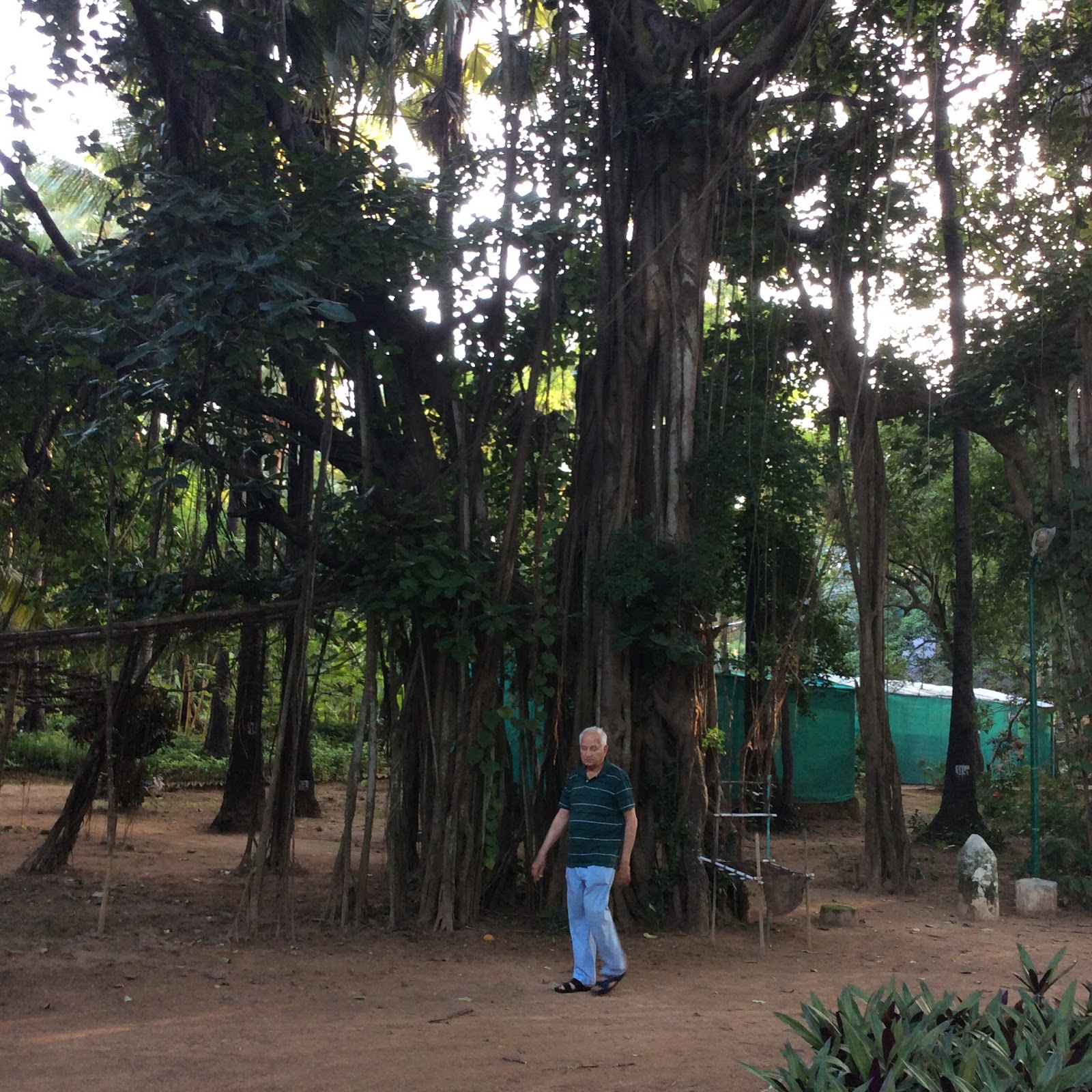
Vasant Vihar, Delhi, below.


Research shows that vigorous urban trees keep people healthier, cool cities in summer, warm homes in winter, help kids learn better, decrease car accident rates, raise real estate values, and decrease crime dramatically.

Trees are long-term investments and provide greater benefits to things like property value, energy and water use reduction as well as air pollution reduction.


In fact, a study of 10 megacities last year (Mumbai & Beijing among them) concluded that the tree cover in the cities provided about 500 million dollars worth of decreased air pollution. More millions were added by CO2 sequestration, storm-water remediation and savings of heating and cooling costs. 


Manoribel, Mumbai
On average, the study saw a potential of nearly doubling the tree cover (and hence the benefits) in the mega cities, over available lands such as parking lots, etc. 

The idea that we should not invest in watering and planting our trees and shrubs during a drought is a misconception. Lawns can use three times as much water over the same area as trees. 


On left : Bhiwadi, Rajasthan

As the plants use water in photosynthesis it is released from the leaves in a process called transpiration, which cools the surrounding air. In semi-arid climates, like ours, this cooling can be 80% dependent on water redistribution by trees. 

Urban landscapes are made of materials that absorb sunlight and heat more than soils or planted landscapes, making cities hotter than the surrounding landscape. Scientists call this “the heat island effect”. Tree cover can cut the temperature by about 5 degrees C in heat islands.

Planting and maintaining trees to help us cope with heat and drought is essential for the long-term health of our cities and towns.


On Left : Bhiwadi, Rajasthan

Planted areas provide the ideal permeable surface for runoff prevention and optimal recharging of aquifers. Plants — especially trees — play a critical role in the water cycle. This is the process by which water circulates between the earth’s bodies of water, atmosphere and land. The loss of plants from a regional landscape can result in a warmer, drier climate and desertification.

Working as a team with the world’s oceans, trees form half of Earth’s rain cycle. Trees maintain the rain cycle thousands of miles from the closest oceans, keeping our planet hydrated from coast to coast.


Because of trees’ huge impact on the amount of water surrounding them, deserts can easily form if trees are not present, according to this article here. Where trees do not exist, water does not exist.


On Right : Manoribel, Mumbai

In addition to water-related benefits, plants and trees are important tools for carbon sequestration, improve property and community aesthetics and can have significant stress-lowering effects on humans.

Right : Taj Westend hotel, Bangalore

This poignant article from the Hindu newspaper talks of how we are emptying our groundwater to water lawns.. it is simply unacceptable in india’s climate and water situation. It suggests that we focus instead on planting trees, shrubs and bedding plants.. I would draw inspiration from Taj Westend at Bangalore for the kind of planting I would do in residential, institutional and commercial complexes. 

It is true we often use stp treated water for our lawns but maybe we should think of treating it to a higher standard and reusing for bathing and washing clothes atleast, besides flushing and cleaning of floors and utensils.