Search This Blog

Showing posts with label mesopotamia. Show all posts

Wednesday, June 23, 2021

Marriage in Harappan Times

At Harappa, there is evidence for matrilocality - where husbands go to live with their wives' community. 

Nearly all cemetery inhumations conform to a similar layout that is not readily differentiated into distinct social classes.

Joe Ravi, CC-BY-SA 3.0, Wikimedia
The skeletons found are generally healthy people which indicates an improved access to resources. A study found that the few burials that have been found (only 600 so far across hundreds of years of urbanized living across hundreds of settlements) may have related to first generation immigrants. These burials show they were respected and that mobility between villages and cities existed as also trade. 

A study from Farmana, in present day Haryana, showed trade links with present day Punjab in Pakistan, and Gujarat as well. There were signs of matrimonial linkages as well. 

More burials found at Rakhigarhi at Haryana have unearthed a man and a woman together, possibly in a matrimonial relationship. This may point to the earliest marriage (4700 years ago) for which evidence has been found. 

Uptill now historians believed the earliest marriage had taken place about 4400 years ago, in Mesopotamia. 

Historians believe that some of the beautiful painted jars found at various sites may have been used as marriage gifts. 

A bangle found at Susa in ancient Mesopotamia was made from materials found only along the Indus coast. Historians have speculated that 'it is possible that the woman wearing this bangle was part of a marriage alliance with a distant trading family in Susa. Such long distance marriage contracts can be documented historically and ethnographically. In the absence of strong state control, long distance kin relationships would have been a form of insurance in trade relations.'

Wednesday, January 21, 2015

There seems to have been no warfare for 2000 years !

I am still reading / watching Mesopotamia.. Here among others..

Civilized living in the form of settled farmers and beautiful pottery, seems to have begun in Sumer around 7000 years ago, although the first irrigation canals date to 8000 years ago.

Some 6000 years ago, trade facilitated the rise of many large, temple-centered cities (with populations of over 10,000 people) where centralized administrations employed various workers. It was at this time that Sumerian cities began to make use of slave labor.

These cities were most likely headed by a priest-king, assisted by a council of elders, including both men and women. There was little evidence of institutionalized violence or professional soldiers uptill now, and towns were generally un-walled. During this period Uruk became the most urbanised city in the world, surpassing for the first time 50,000 inhabitants.

The dynastic period began some 5000 years ago and was associated with increased violence. Cities became walled, and increased in size as undefended villages in southern Mesopotamia disappeared. The now deciphered syllabic writing started to develop from the early pictograms.

In conclusion then, warfare was not a part of the civilization that existed in Sumer from 7000 – 5000 years ago.

Tuesday, January 13, 2015

Is India the only fount of wisdom of yore ?

Perhaps we were taught a smattering of many things in school, but I have forgotten most of them. What remains in memory are the impressions reinforced by conversations with family and elders, and what we see regurgitated in the Indian media, incuding social media. 

An oft-repeated theme is how great the Indian civilization is with no parallel in world history. That science, innovation and the arts grew only in India with the rest of the world in darkness. But as I read more widely now, I find that picture is simplistic. 

Eridu - city of 4000 people in Mespotamia (present-day Iraq, mostly) 5000 years ago. 

 Image Author : Таис Гило; Image sourced from Wikipedia.

Why have we heard about the ancient indian civilization only from our elders then ? Mesopotamia and the Egyptian civilizations are far older the the Indus Valley and Harappan Civilizations.

The fertile river valleys of the world where civilization first grew – Tigris-Euphrates, Nile, Yellow River, Indus, would all be mighty rivers.. yet we speak of the Ganga as if it is unique. In fact, the first civilization in South Asia grew around the Indus and Saraswati, not the Ganges. 

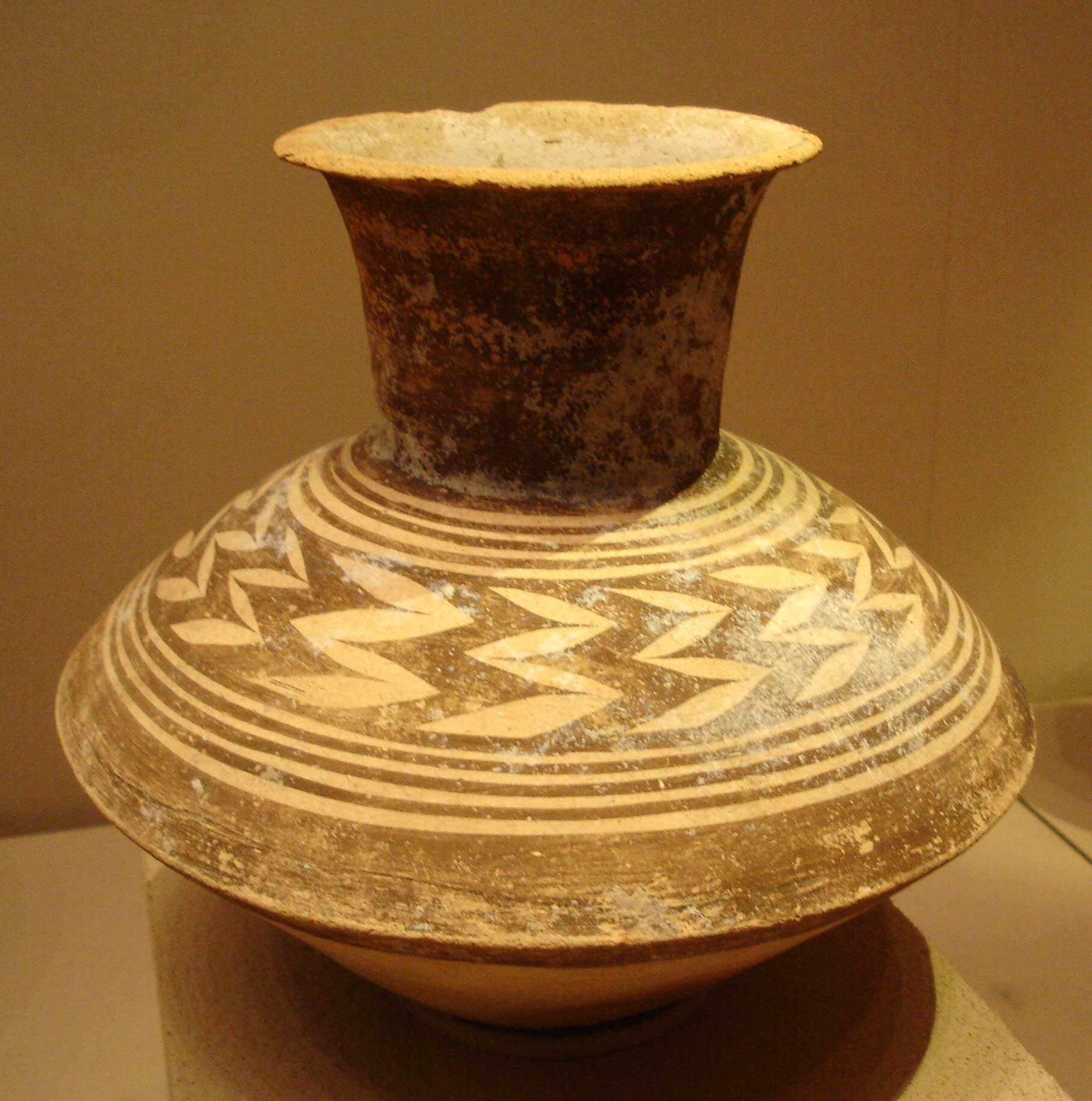
Pottery from Mesopotamia 6000 years old.

Image Author : Dmharvey; Image sourced from Wikipedia.
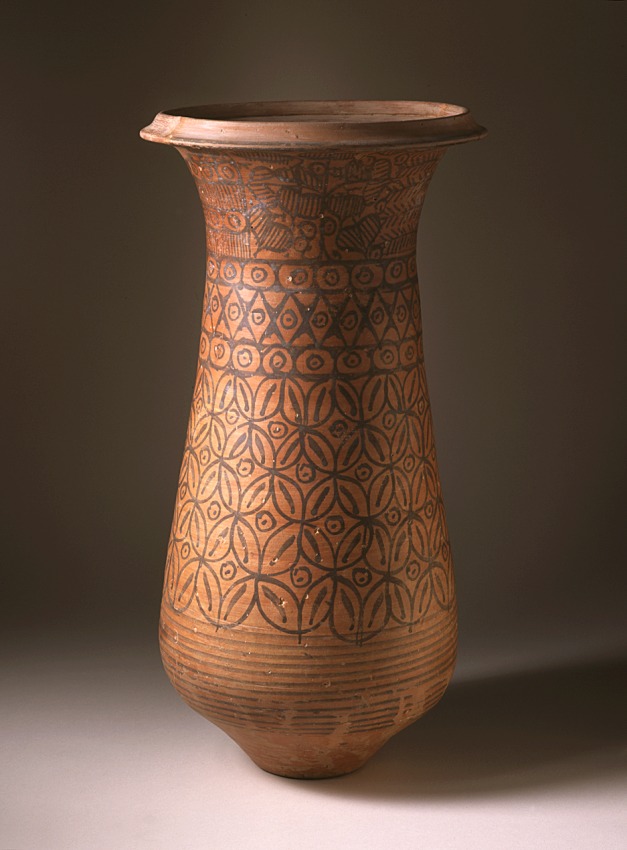
The Mesopotamian pottery above compares well with pottery from the Indus Valley civilization, 1500 years later. On left.

Image released by Los Angeles County Museum of Art and taken from Wikipedia.
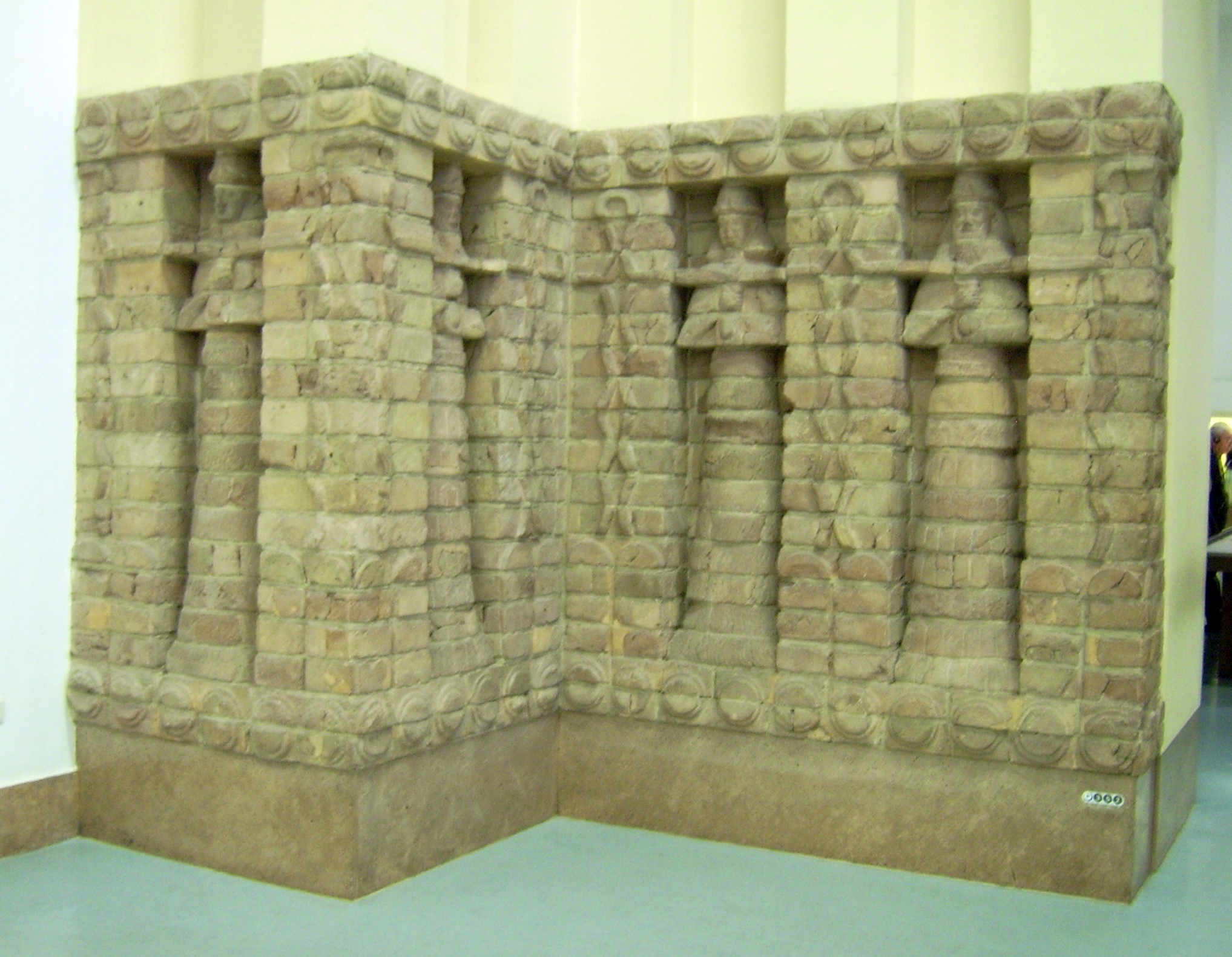
Uruk city is 5000 years old, also in Mesopotamia. And had some 65000 people living in the city at that time ! 

Temple on the right was meant to honour their goddess of fertility.. 

Image Author : Marcus Cyron; Image sourced from Wikipedia.