Search This Blog

Showing posts with label pottery. Show all posts

Monday, June 21, 2021

Villages in the Indus Valley

I have been reading on the Indus Valley Civilization for the last few years. I share highlights with friends and relatives on whatsapp. 

But perhaps they are not all interested in so much detail. So I decided to record some of my readings here. 

Read a study of four village sites of the Indus Valley (there are nearly 1100 of them spread over 1.5 million sq kms !). These village sites are in Haryana and Rajasthan. 

The study concluded that the villagers had access to high quality luxury goods in small nos. - articles made from gold, lapus lazuli, etc. Such items have been found at other village sites too. So these articles were not limited to the cities. 

Agate, lapis lazuli, gold and carnelian beads
 from two of the villages.
 
The study goes into details of the pottery that must have been produced in these villages. It found designs, materials and process different from that found in large cities, though related. This has been observed at other sites as well. So there was a trend for regional aesthetics and preferences. 

The study concluded that the villages were production centres for goods other than agriculture as well. They were not isolated from the cities but not totally dependent on them as well. 

Many such villages are also laid our in grid pattern with wide streets, public buildings and fortified walls. So size of the settlement did not limit the essential features of the indus valley civilization. 

Wednesday, January 21, 2015

There seems to have been no warfare for 2000 years !

I am still reading / watching Mesopotamia.. Here among others..

Civilized living in the form of settled farmers and beautiful pottery, seems to have begun in Sumer around 7000 years ago, although the first irrigation canals date to 8000 years ago.

Some 6000 years ago, trade facilitated the rise of many large, temple-centered cities (with populations of over 10,000 people) where centralized administrations employed various workers. It was at this time that Sumerian cities began to make use of slave labor.

These cities were most likely headed by a priest-king, assisted by a council of elders, including both men and women. There was little evidence of institutionalized violence or professional soldiers uptill now, and towns were generally un-walled. During this period Uruk became the most urbanised city in the world, surpassing for the first time 50,000 inhabitants.

The dynastic period began some 5000 years ago and was associated with increased violence. Cities became walled, and increased in size as undefended villages in southern Mesopotamia disappeared. The now deciphered syllabic writing started to develop from the early pictograms.

In conclusion then, warfare was not a part of the civilization that existed in Sumer from 7000 – 5000 years ago.

Tuesday, January 13, 2015

Is India the only fount of wisdom of yore ?

Perhaps we were taught a smattering of many things in school, but I have forgotten most of them. What remains in memory are the impressions reinforced by conversations with family and elders, and what we see regurgitated in the Indian media, incuding social media. 

An oft-repeated theme is how great the Indian civilization is with no parallel in world history. That science, innovation and the arts grew only in India with the rest of the world in darkness. But as I read more widely now, I find that picture is simplistic. 

Eridu - city of 4000 people in Mespotamia (present-day Iraq, mostly) 5000 years ago. 

 Image Author : Таис Гило; Image sourced from Wikipedia.

Why have we heard about the ancient indian civilization only from our elders then ? Mesopotamia and the Egyptian civilizations are far older the the Indus Valley and Harappan Civilizations.

The fertile river valleys of the world where civilization first grew – Tigris-Euphrates, Nile, Yellow River, Indus, would all be mighty rivers.. yet we speak of the Ganga as if it is unique. In fact, the first civilization in South Asia grew around the Indus and Saraswati, not the Ganges. 

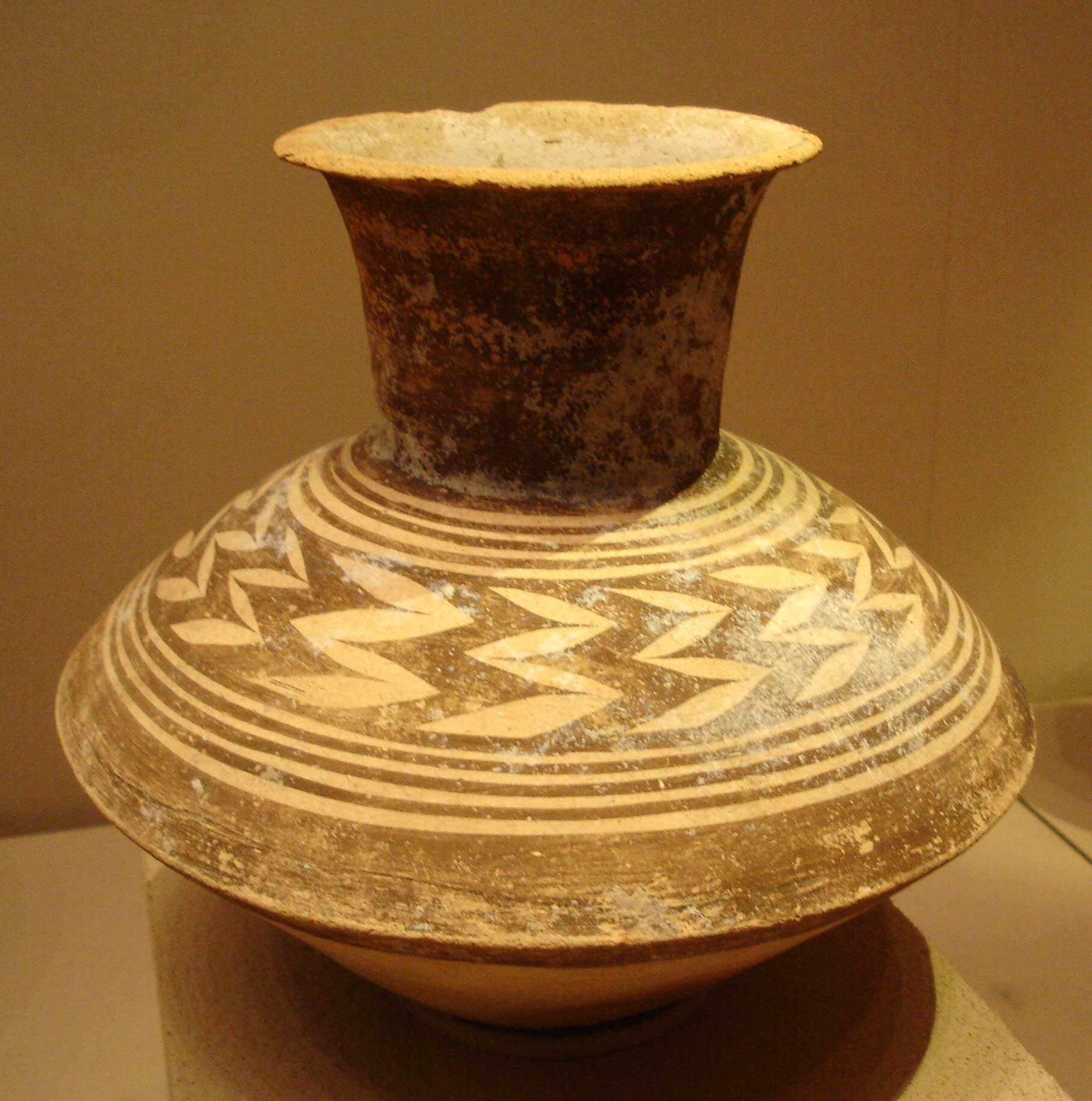
Pottery from Mesopotamia 6000 years old.

Image Author : Dmharvey; Image sourced from Wikipedia.
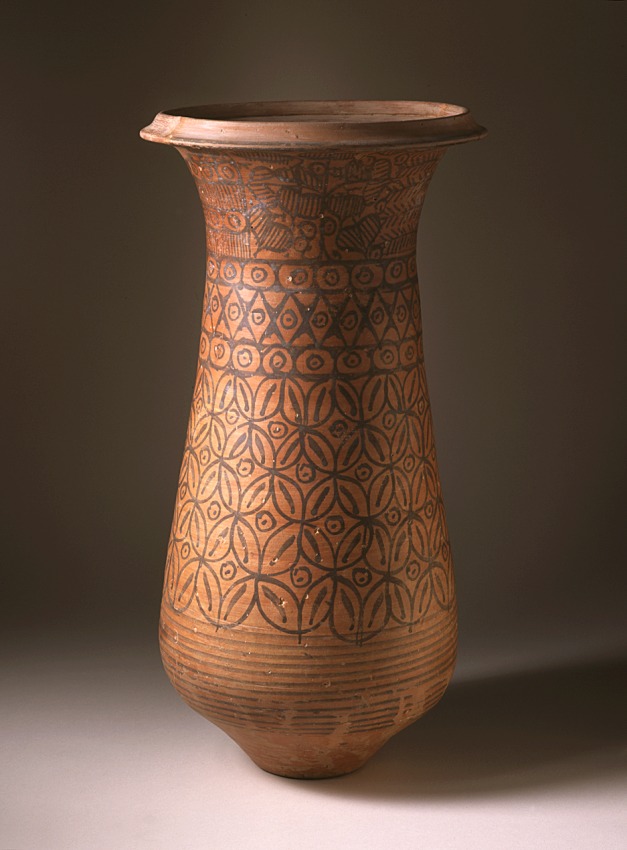
The Mesopotamian pottery above compares well with pottery from the Indus Valley civilization, 1500 years later. On left.

Image released by Los Angeles County Museum of Art and taken from Wikipedia.
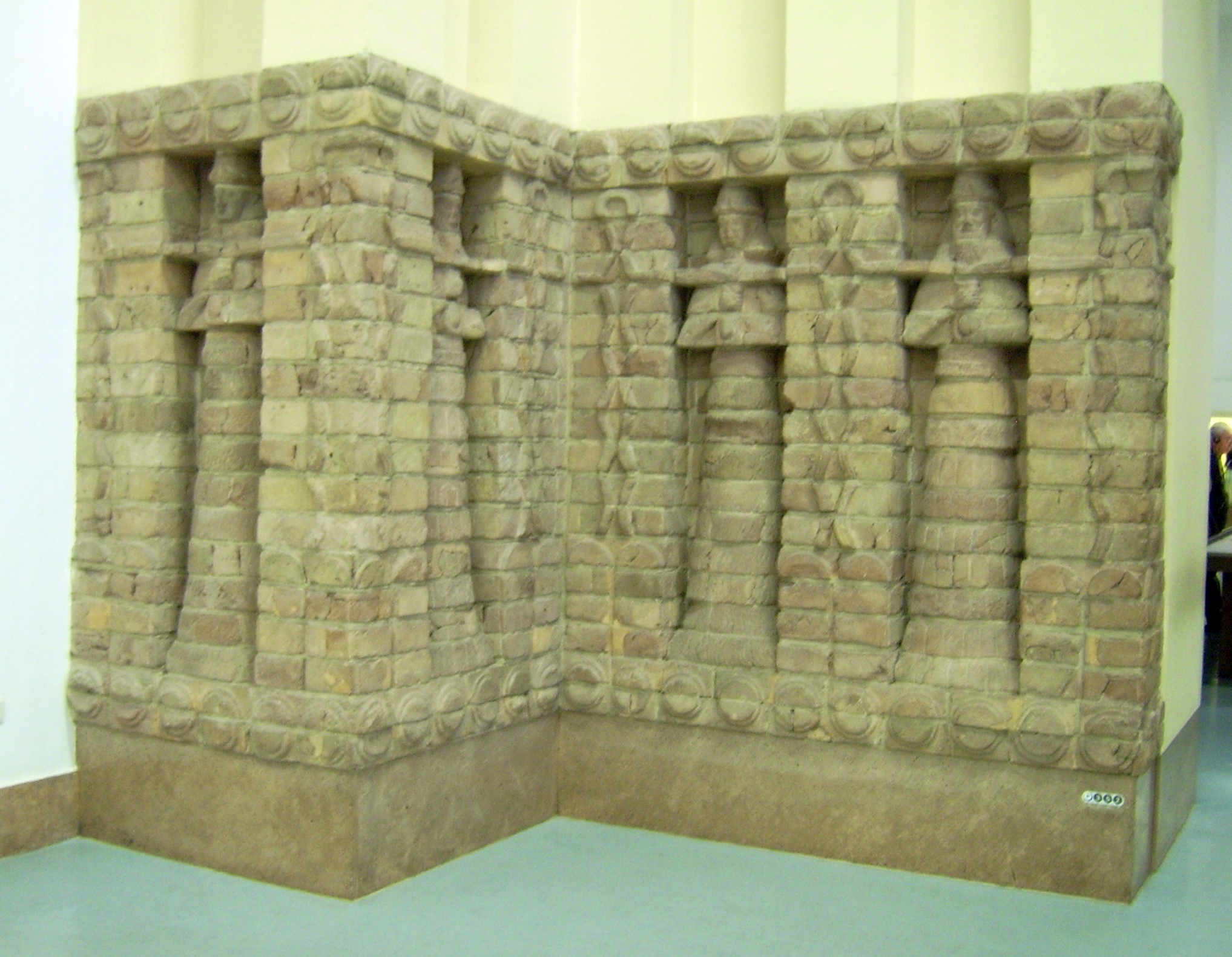
Uruk city is 5000 years old, also in Mesopotamia. And had some 65000 people living in the city at that time ! 

Temple on the right was meant to honour their goddess of fertility.. 

Image Author : Marcus Cyron; Image sourced from Wikipedia.