Search This Blog

Sunday, November 22, 2020

Using Turmeric Leaves

Turmeric leaves’ total production is 30–40 tons per 10 ton of the root because of the plant’s massive volume and surface area, which makes turmeric leaves a plentiful resource.

Several studies have reported that turmeric roots possess multiple pharmacological properties such as anti-inflammatory, antioxidant, antitumor, antibacterial and anticoagulant, and anti-diabetic based on its free-radical-scavenging activity. 

The activities of turmeric also include antiseptic, cardioprotective, hepatoprotective, nephroprotective, radioprotective, and digestive activities.  

The rhizome extracts showed high inhibition over bacterial activity of E.coli, S.pyrogens, B.subtilis and C.albicans. 

Turmeric leaf extract has functional effects such as skin immunity, anti-inflammation, and antioxidant activities.

Run out of turmeric? No problem. The extract of dried turmeric leaves soaked in water can serve the same purpose. It will impart the same golden yellow hue you expect from the powder.

Due to the strong anti-inflammatory properties of curcumin, turmeric leaves could prove to be a boon for those suffering osteoarthritis and rheumatoid arthritis.

A clinical trial, in which 600-mg turmeric root was administered five times daily to patients with peptic ulcer disease, reported ulcer resolution at 4 weeks and 12 weeks in 48% and 76% of patients, respectively. The same study also demonstrated that turmeric markedly improves symptoms of dyspepsia in 1 to 2 weeks.

Turmeric volatile oil is effective against disorders of the respiratory tract. The volatile oil is active in removing sputum, relieving cough, and preventing asthma. Thus, turmeric volatile oil may be an efficacious drug in the treatment of respiratory diseases. 

This oil acts as a repellent against both day- and night-biting mosquitoes.

In a phase I clinical study on the safety and tolerance of turmeric oil use, the oil was administered orally to healthy volunteers for 3 months. No side effects of turmeric oil intake were observed in 3 months on body weight, blood pressure, and hematological, renal, or hepatic toxicity 

How to Make Turmeric Oil from Fresh Turmeric is at this link.

Friday, November 13, 2020

Decline of the Indus Valley Civilization

Nearly two-thirds of the 1,500 archaeological sites related to the Indus Valley Civilization, occur on the dried up banks of the present-day Ghaggar river.

Around 1900 B.C.E., one of the major rivers of the Indus Valley, the Ghaggar-Hakra (also called the Saraswati), began to shift its course and eventually dried up, leaving many sites without a viable subsistence base. These communities would have migrated to other farming regions or to cities such as Mohenjo Daro and Harappa, resulting in overcrowding and civic disorder.

1500-2000 years before Christ, the Indus Valley civilization witnessed large scale deurbanization, population decrease, abandonment of many established settlements, lack of basic amenities, interpersonal violence and disappearance of the Indus Valley script.

Previously scholars argued that the Indus cities were suddenly abandoned around 1750 B.C.E., but recent work at Harappa has clearly demonstrated that during its late phase, from 1900 to 1300 B.C.E., Harappa was indeed inhabited. 

In fact, signs that drains and city walls were not maintained provide proof of crowding and a breakdown of civic order. The remains suggest that the ruling elites were no longer able to control the day-to-day functioning of the urban center. This loss of authority must have eventually led to a reorganization of society, not just in Harappa but throughout the entire region that the upper classes had dominated for 700 years. Similar changes were occurring at the other big cities, such as Mohenjo Daro to the south and Dholavira in western India.

The crisis led to a cessation of the hallmarks of Indus elite culture. The distinctive pottery with ritual motifs and Indus script and traditional square seals with unicorn and other animal motifs disappeared. Cubical weights for taxation and trade fell into disuse, and the international trade networks began to deteriorate. Shells from the coastal regions no longer made their way to the northern sites, and lapis lazuli from the north failed to reach the sites in the plains. In Mesopotamia the texts that had recorded ongoing trade with a region called Meluhha, which is probably the Indus Valley, no longer mentioned it.

Wednesday, November 11, 2020

Reading about Indus Valley Civilization again

 Am reading about Indus Valley Civilization again - a topic i go back to periodically. 

The Grid Pattern of Roads and Lanes

The Indus Valley civilization thrived with well-planned cities and elegant streets laid out in a grid pattern. At its height it had 1500 cities spread over a million kms - the largest civilization, by far, among its contemporaries. 

The longest street in Moen-Jo-Daro was 805 m long and about 10 m wide, which likely indicates that wheeled carts were in existence during this period and streets were used for trade.

The city center was connected by main streets from four directions to reduce congestion and allow free movement of people and goods to the central business district. One outstanding feature is a concentric shaped street in the form of a ring structure which was used to control expansion of the cities. The main streets of Moen-Jo-Daro and Harappa intersected one another at right angles with width varying from 3.50 to 10.00 m and up to 1.5 km long.

The lanes were joined with the streets. Each lane had a public use and was provided with street lamps. The life in the Indus cities implies a democratic urban economy.

The Modern Water Supply Systems in the Indus Valley

The people of Moen-Jo-Daro had expertise in digging water wells. The residents of the city had built about 700 wells, where a single well serviced three houses. The wells were assembled with tightening mud bricks to have a stronger life to last for centuries.

Terracotta pipes used for washing basins and manholes constructed by the Indus Valley people are still in good condition after nearly five thousand years.

Linked to larger mains, which eventually emptied outside the city walls, the sewers at Harappa would have removed wastewater from the habitation areas, depositing fertile sludge on the surrounding agricultural fields. 

Did the Minoan Civilization learn its water & sanitation techniques from the Indus Valley ?

The Minoan civilization in Crete, Greece was the earliest sophisticated society in Europe. About 1250 years after the Indus valley had begun to use modern sanitation and water supply systems, the Minoans developed ones very like them, although no other society around them had anything like it. 

It is even surmised that a wave of migration from the Indus Valley to Crete may have occurred for such developments to have taken place in Crete. 

The landmark technological achievements by both civilizations had no precedent in prior civilizations.

Save for the Indus cities, no other city in the ancient world featured such a sophisticated water and waste management system. Even during the Roman Empire, some 2,000 years later, these kinds of facilities were limited to upper-class neighborhoods.

A Sophisticated Governance System in the Indus Valley

During this period, Indus scribes developed a sophisticated writing system comprising more than 400 symbols.

Excavators have found distinctive pottery with widely used ritual motifs at all settlements throughout the greater Indus Valley.

Similar city organization and trade patterns existed throughout the Indus Valley, showing a sophisticated governance system without the use of warfare.

The Indus script

The Indus script became widespread in all the major urban centers of the Indus Valley. Its most prominent use was on seals that also bore animal motifs and ritual objects. The unicorn image is the most common (found on more than 65 percent of known seals), but other animals appear as well, including elephants, humped zebu bulls, water buffalo, bison, tigers and rhinoceroses.

We also see for the first time small tokens or tablets made of soapstone incised with script and symbols. Because many of these items feature the same set of signs and what appear to be numbers, researchers think that they served as tools for accounting. 

The writing may indicate the owners name, the commodity and its quantity, or the creditor to whom it is being presented. Some of these tablets have been intentionally snapped in two, possibly to indicate a contract between two parties, each of whom retained half until the transaction or work was completed.

Saturday, August 22, 2020

The DISplaced...

India's document on climate change, notes how rain-fed agriculture covers 60% of the country’s net sown area, with 40% of the total food production affected by frequent droughts, floods, climate variability and extreme weather. 

Research reveals that the tidal flood water level has risen by a metre between 2004 and 2009 and continues to rise.

In India, close to 1.5 million people are classified as internally displaced every year, many for climate change reasons. At 2.7 million people, India had the highest number of people displaced by disasters and extreme weather events in 2018. 

For example, when cyclone Phailin ravaged the coastal state of Orissa in 2013, the state witnessed an unprecedented scale of migration of fishing communities that had otherwise been based there for decades. 

Even six years after cyclone Phailin, subsidies promised to replace fishing boats and nets lost in the disaster had not been disbursed. 

Researchers in the state of Assam in India and in Bangladesh have estimated that around a million people have been rendered homeless due to erosion in the Brahmaputra river basin over the last three decades. The figure can potentially go up to six million people.

Feb 2020 report : In the last two years, India has been hit by at least one extreme weather event every month. India recorded just 9 out of 93 disasters in Asia in 2019, but accounted for nearly 48% of the deaths.

27 of the 37 states and union territories in India are disaster-prone. 

A recent study in the Proceedings of National Academies of Sciences, co-related 50 years of annual temperature data with the GDP of 165 nations. The study found that India’s GDP is 30% lower today, than it would have been had it not been affected by climate change


The reasons behind these negative impacts are mainly due to decreased productivity and losses due to climate-induced disasters.

In 2018, of the total new 28 million internally displaced people in 148 countries, 61 per cent were due to disasters. In comparison, 39 per cent were due to conflict and violence. 

More countries reported displacement due to disaster than conflict and violence: 144 for disaster and 55 for conflict and violence. 

According to UN, disasters and geophysical hazards have an average of 3.1 million displacements per year since 2008. 

In December 2019, the World Meteorological Organization released the annual State of Global Climate 2019. According to this report, 22 million people would be displaced by December 31, 2019, due to extreme weather events. 

According to the report, more than 10 million people were displaced internally — within a country — between January and June 2019. Out of this, 7 million were due to extreme weather events like floods, cyclones and hurricanes. 

Everyone knows that climate change is displacing people, but no government is willing to acknowledge this officially, for fear of having to recognize these people as refugees and be held responsible for their welfare.

The Highest Temperatures on Earth

In 2010, the most-common value of near-surface air temperature was near 25 °C and a thin tail reached to 50 °C (albeit with very few points above 40 °C). Confirmed temperatures over 50 C had not occurred till then. 

Only five days ago, one of the top-three highest temperatures ever measured on the planet at any time has been recorded at California - 54.4 C. Some climatologists consider 53.88 C readings recorded in California on June 30, 2013, and in Kuwait and Pakistan in 2016 and 2017, respectively, as the highest ever reliably measured on the planet.

A study projects that if greenhouse gas emissions continue at a high rate, temperatures in parts of northeastern India and most of Bangladesh will exceed a deadly threshold during seasonal heat waves. Extreme heat waves that now happen once every 25 years will become annual events with temperatures close to the threshold for several weeks each year, which could lead to famine and mass migration.

Explaining 'Wet-Bulb' Temperatures

What Are 'Wet-Bulb' Temperatures

Wet bulb temperature is a combination of temperature and humidity. There are limits to what wet bulb temperature the human body can survive beyond a few hours, absent airconditioning.

The 1st chart has temperatures on top in C. and Humidity on Left. The intersection of both shows the applicable wet-bulb temperature. 

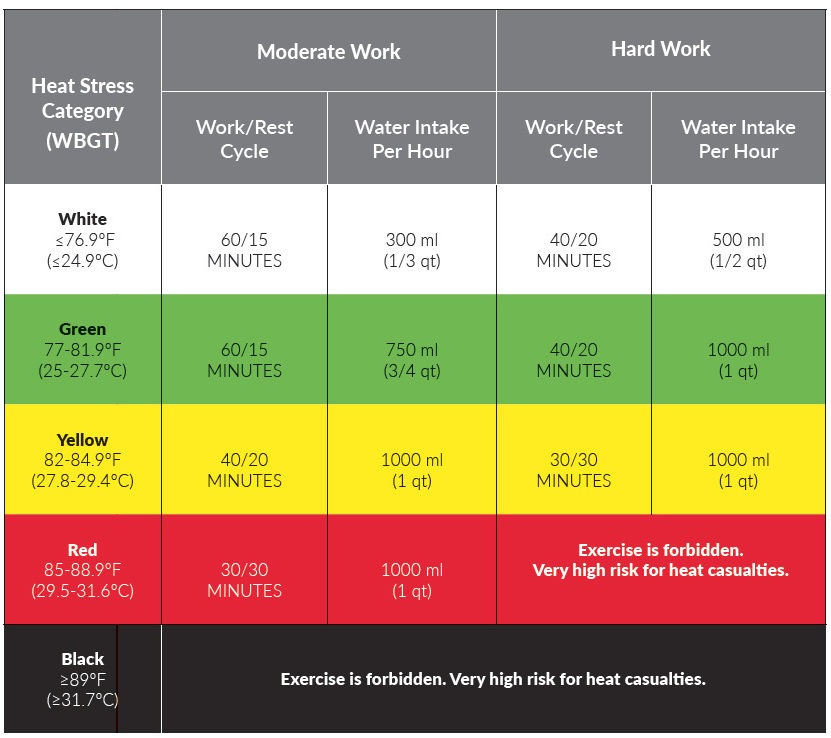
The second chart shows how to interpret the colours of the wet-bulb temperature squares in the first chart. Concern really begins at Red and then Black squares. 

When the wet-bulb temp is in Red, one should not work for more than 30 min at a time (followed by rest for 30 min), and one should be having one litre of water for every such work hour. Even these guidelines are for fit hikers, and the rest of us ordinary folks should work even less I suppose. 

When the wet-bulb square is black, one is not suppose to work at all outside of airconditioning.

What Did This Imply in say Delhi, in June, 2018 ?

What does this imply for Delhi wet-bulb temperatures, say in June ? The science says, no work should be done in day light hours, at all outside of airconditioning in June ! Here are four sample June days where i studied the hourly temperatures :

# On June 1st, 2018, for example, one could have done restricted work from midnight-7.30 AM, and 8 PM to midnight ! but no work in day time as it would fall into black wet-bulb squares.

# On 8th Jun, one could have done unrestricted worked midnight to 6 AM.  No work till midnight after that !

# On 15th June, no work outside of airconditioning over 24 hours !

# On 22nd June, only midnight to 6 AM was within safe wet bulb temperature. All the rest of the hours were in black, that is no one was supposed to do any work outside of airconditioning !

Health Impacts of Great Heat and Humidity

A healthy internal body temperature falls within a narrow window. The average person has a baseline temperature between 98°F (37°C) and 100°F (37.8°C). If your body temperature rises as high as 107.6°F (42 °C), you can suffer brain damage or even death. 

Just 5 degrees C deviation of temperature from the usual can have severe health consequences in the human body. 

If your body needs to cool down, these mechanisms include:

 #   Sweating: Your sweat glands release sweat, which cools your skin as it evaporates. This helps lower your internal temperature.
 #   Vasodilatation: The blood vessels under your skin get wider. This increases blood flow to your skin where it is cooler — away from your warm inner body. This lets your body release heat through heat radiation.

This makes the heart beat faster and pump harder. On a hot day, it may circulate two to four times as much blood each minute as it does on a cool day.

Sweat pulls more than heat from the body—it also pulls out sodium, potassium, and other minerals needed for muscle contractions, nerve transmissions, and water balance. Most healthy people tolerate these changes without missing a beat. People with damaged or weakened hearts, have a much harder time, and may succumb to heat stroke.

What do Wet-Bulb Temperatures do to Humans ?


Distance runners were asked to run at speed for 60 min at 31 C temperature at 5 levels of humidity : 23, 43, 52, 61 and 71% (on separate days for each varying level of humidity I presume). 

Immediately thereafter, participants continued running at the same velocity while the treadmill gradient was elevated by 2% every 2 min until volitional exhaustion.

The ability to regulate body temperature during running exercise at 31°C ambient temperature was progressively compromised as humidity increased, and became substantially so when humidity exceeded 60%.

There was a non-linear increase in core temperature and skin temperature during the exercise taken when humidity was at 61 % and at 71 %.

Evaporation of sweat from the skin halved as humidity levels increased from 23 to 71 %.

The study showed that evaporative heat loss plays a vital role as the main avenue for heat dissipation during exercise in the a heat-stress environment.

Heat Stress Imposes a Robust Upper Limit to Adaptation by Humans

A pioneering study published in 2010 had shown that heat stress imposes a robust upper limit to adaptation by humans to gloabl warming.

Peak heat stress, quantified by the wet-bulb temperature TW, is surprisingly similar across diverse climates today (the reference is to 2010). TW never exceeds 31 °C. Any exceedence of 35 °C for extended periods should induce hyperthermia in humans and other mammals, as dissipation of metabolic heat becomes impossible. While this never happens now, it would begin to occur with higher levels of global warming.

Humans maintain a core body temperature near 37 °C that varies slightly among individuals but does not adapt to local climate. Human skin temperature is strongly regulated at 35 °C or below under normal conditions, because the skin must be cooler than body core in order for metabolic heat to be conducted to the skin.

Sustained skin temperatures above 35 °C imply elevated core body temperatures (hyperthermia), which reach lethal values (42–43 °C) for skin temperatures of 37–38 °C even for acclimated and fit individuals.

Friday, August 21, 2020

India’s clean energy prospects

The optimism in the private sector about India’s clean energy prospects a couple of years ago is hard to find now.

Rating agency CRISIL in a recent report said India would not have 100 GW of solar capacity and 60 GW of wind capacity even by 2024, leave alone 2022.

Unfortunately, wind and solar energy developers are running into some of the same problems as their counterparts in thermal power a few years ago, chief among them being outstanding dues from utilities.


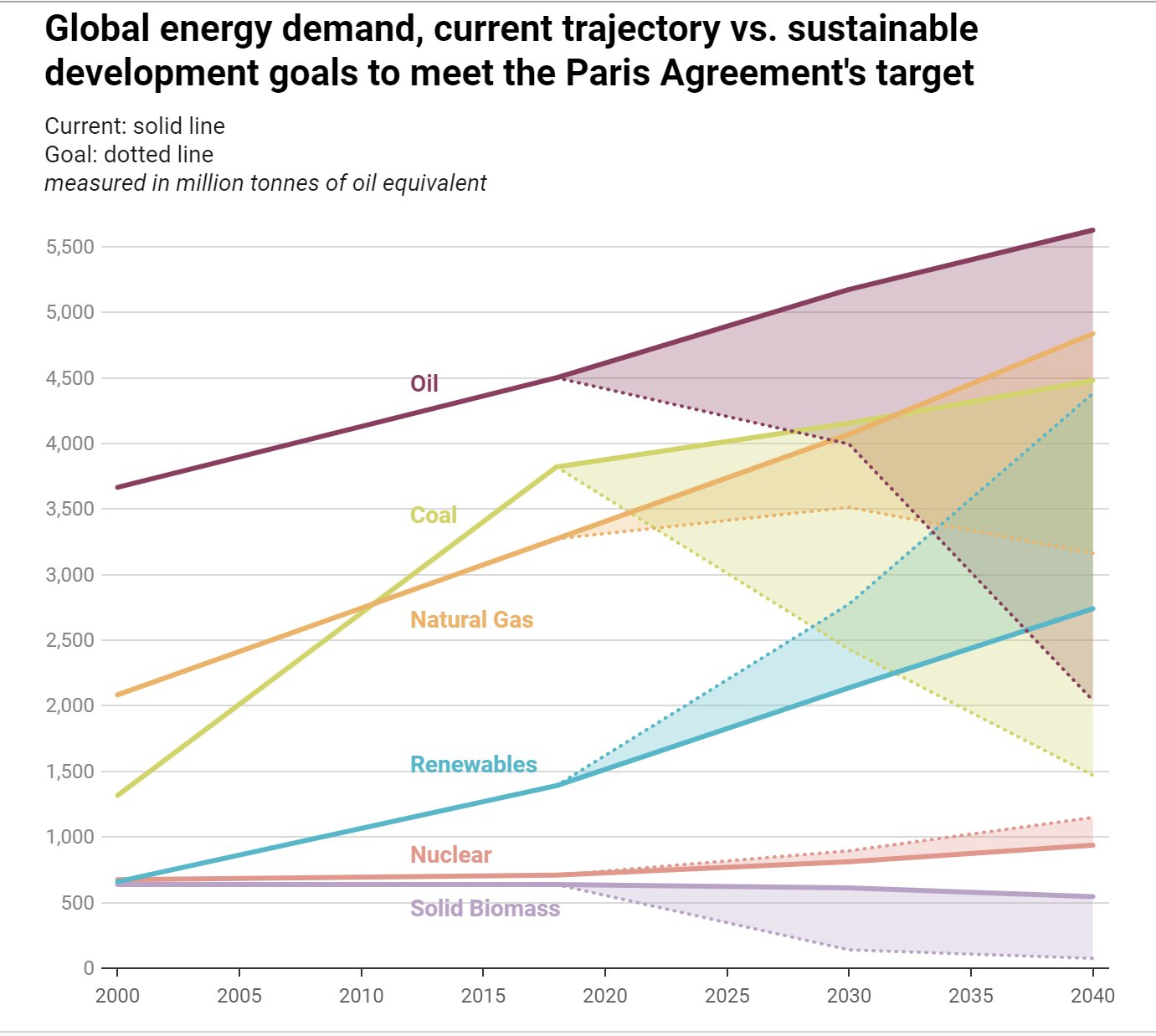
To meet the international Paris Agreement commitments, the world was to have started to sharply decelerate it use of oil and coal in 2018. But that has not happened.

As of July 2019, distribution companies across India owed renewable power producers Rs 9,736 crore, according to CEA data. Around three-quarters of that were owed by four southern states — Andhra Pradesh, Tamil Nadu, Telangana and Karnataka.

Acme Solar Holdings, the country’s largest solar power developer, is waiting for payments totalling Rs 210 crore from Andhra and Rs 386 crore from Telangana. Payments have been delayed between three months and a year.

“We only factor in a delay of 1-2 months,” says Shashi Shekhar, vice-chairman of Acme, “There is a significant loss in return on capital because of these long delays.”

Solar power developers are yet to be compensated for the goods and services tax and safeguard duty on imported cells and modules they paid on projects they won before either of the taxes came into effect.

The CERC has ruled in separate cases that these amount to a change in law and developers have to be compensated for the payments. But companies say they do not know when they will be reimbursed, either as a one-time payment or in the form of increased tariffs.

“I don’t know if some other duty will be imposed tom,” says Acme’s Shekhar. Acme has around Rs 800 C stuck in GST and safeguard duty payments. Because of its liquidity constraints, Acme, which has a portfolio of 5.5 GW, has not bid for any new projects in the past 7 months.
If no solution is found to clear the dues from utilities or on the proposed revision of tariffs in Andhra, in addition to making land acquisition easier and easing tariff caps, global investors is likely to look for opportunities in other economies.

That could lead to a consolidation in the industry, and banks and non-banking financial companies will further tighten their purse strings. Then, India’s bold clean energy targets will remain just that.

A May 2020 report said that with no domestic module and cell manufacturing capacity getting added in the renewables sector during the year, the supply of components from China will be critical.

There’s a widening gap between what the research says needs to be done to curb carbon emissions, and what is actually happening. For instance, demand for electric vehicles is growing but so, too, is demand for much larger and much less energy efficient SUVs.

The number of SUVs on the road around the world increased from 35 million in 2010 to over 200 million in 2018, representing 60% of the increase in the global car fleet over the 8-year period, the IEA said.

As the world tries to cut back on carbon emissions, rising temperatures and erratic weather patterns haven’t made it easy. IEA estimated that nearly one-fifth of 2018′s energy demand growth stemmed from hotter summers and colder winters.

Tuesday, August 18, 2020

Some Corporates in India are Moving towards Renewable Energy

Corporate (industrial and commercial sector) electricity demand accounts for about 50% of total electricity consumption in India and globally. 

Infosys, Dalmia Cement, Mahindra Holidays & Resorts and Tata Motors – are Indian-headquartered companies that have voluntarily adopted 100% renewable electricity consumption targets. 

Additionally, there are more than 40 international companies that have India presence and are moving their operations to renewable energy.

A leading company representative said in May 2020 that the prime hurdle for achieving full renewable energy for their company was the volatile policy and regulatory framework.

Companies leading the transition towards 100% renewable energy have asked to be rewarded, possibly through special policy incentives.

Solar Power in India Since 2014

By Feb 2020, India had installed 35 GW of solar power generation capacity. Solar power tariffs in India are among the lowest in the world.

As of 2019, a third of the world’s total installed solar capacity was in China, and 7 % in India.

The NDA government chose a strategy that prioritised retaining a low minimum tariff on projects while increasing protection against imported panels, thereby forcing developers to buy panels at a higher cost. Since then, bidding processes have slowed down, highlighting the incompatibility of these goals. 

In Jul 2020 Modi said that as part of Atma Nirbhar Bharat, the country’s aim is to end its dependence on import of all equipment, including solar panels.

International experts said in March 2020 that India has seen too much policy inconsistency and change, as well as state-centre conflicts, plus the drag of national policy objective contradictions to be on track to achieve the goal of creating 175 GW renewables capacity by 2020.

The history of Solar Power in India till 2014


Indian renewable energy development agency was formed in 1987 to operate a revolving fund for developing, promoting and commercialization of New and Renewable Sources of Energy.

From the late 90s, Independent Renewable Power Producers were given the right to wheel the (renewable) power through existing transmission lines of the State Electricity Boards on payment of reasonable charges for selling the power to any third party in the country. 

Upgradation of technology for solar photovoltaic cells was undertaken.

By 2007, 3000 villages were electrified using solar technologies. There were 2000 solar power plants in operation, and over 6 lakh solar lanterns / 3 lakhs home lighting systems in use. Over 60,000 street lighting systems were in operation.

Government of India launched Jawaharlal Nehru National Solar Mission in 2010, as one of its eight missions under National Action Plan on Climate Change. It was believed that solar power can be important in attaining energy independence. 

As of April 2014, India's total installed capacity through grid connected solar power plants had crossed 2.2 GW.

In SIX Years, NDA Managed to Increase Electricity Generation from Renewables only by 3.5+ %

I have been reading about solar power in India again – last I read in-depth was I think in 2017. I found then that the rosy headlines were far from the reality of many stumbling blocks on the way of serious renewable power adoption in India.

In today’s reading also, I found a great distance between the reality and headlines. What matters is NOT installed capacity (large portions of which may never be used and which become net contributors to climate change because of the CO2 generated in constructing them), but the electricity generation mix.

After all the sound and fury of the last six years, in 2019-‘20, India generated nearly 10 % of its electricity using wind-power, solar, biomass and mini-hydro.

In SIX years of constant soundbites, the improvement in electricity generation mix in favour of renewables was only a little over 3.5 % - in 2014 it was 6.38 % of the total electricity generated, and in 2020 it was 9.99 %.

The UPA government had achieved similar improvements in electricity generated from renewables in the 5 years before demitting power to NDA : from 3.76 % of the electricity generation from renewables to 6.38 % - that is a little over 2.61 %.

In fact, in the 5 years after taking power, NDA had a similar performance : It improved the electricity generation in favour of renewables from 6.38 % to 9.24 % : nearly 2.86 %.

So the NDA government at best takes the work of the UPA government forward in its logical trajectory. It makes a whole lot of noise to show astronomical achievements which are never there on the ground when I check. Besides, it does enormous damage in other areas of life in India.

Tourism's Impact on the Environment and Local Communities

I have begun to read on tourism's impact on the environment and local communities. Found these beginning steps in the context of tourism in the USA, but applicable anywhere.. atleast these need to be part of the ethos of all travellers anywhere. 

The Audubon Society has recognized the potential for adverse effects of tourism, and has developed a “Travel Ethic” for tour operators that provide wilderness trips. The Travel Ethic encourages tour operators and cruises to stay on trails to protect vegetation, keep a minimum distance from wildlife, refrain from destruction of coral reefs, maintain and enforce an anti-dumping policy, and educate tourists about the types of souvenirs not to buy (such as sea turtle products and ivory). 


The Sierra Club also educates its members on methods to minimize their impact on the environment. The club’s concern about the potential impact of member travelers on the environment started as early as 1970, when its leaders commissioned a report from three professors about any adverse impacts Sierra outings had, and how they could be mitigated. These “Wilderness Manners” include traveling on durable surfaces, camping away from water bodies and trails, reducing litter by repackaging used food and carrying out all trash and garbage, minimizing use and impact of fires, and respecting wildlife and other travelers. 


The World Wildlife Fund (WWF) uses the trips it sponsors as a way of fulfilling one of the tenets of ecotourism: using tourism to support conservation. The WWF attempts to minimize the environmental impacts of their trips by selecting commercial tour operators according to their reputation as environmentally friendly.


The report speaks of this : Three examples of tourist infrastructure that minimize environmental impact and incorporate local people’s needs are two eco-resorts in the U.S. Virgin Islands, and a riverfront park in Detroit, Michigan. 


Maho Bay Camps and Harmony Resort were built in the 1970s, and are two of the best known and successful eco-resorts. Wooden walkways minimize soil erosion and vegetation damage from trampling. Communal toilets and captured rainwater reduce water usage, and reliance on solar and wind power along with computer monitoring of electricity and water use help reduce energy use. 


The “Detroit Linked Riverfront Parks Plan” is a good example of effective tourism planning. In lieu of indiscriminate development based solely on economics, planners first determined the needs of the local people, and then designed the area accordingly.


Sectors of the tourism industry have the opportunity to “channel” activities of both

tourists and employees toward more environmentally responsible activities. This type of
influence has been termed “downstream” leverage. The lodging industry exerts downstream influence on tourists by encouraging environmentally sound practices. Ramada International Hotels and Resorts distributed 20,000 copies of “50 Simple Things You Can Do to Save the Earth” to guests as a method to encourage environmentally responsible behavior. 

It has been suggested that an effective way to implement changes favorable to the environment is by starting with hotel employees in areas such as laundry, housekeeping, and engineering (Shanklin, et al., 1991, p. 65). These employees have first direct contact with some aspects of the hotel business that have an impact on the environment (such as washing linen and sheets).


There are also efforts in place to minimize water use. 77% of U.S. hotels use low flow shower-heads, and 33% use low consumption toilets. However only 4% of hotels reclaim their laundry wastewater, and 2% use their gray water for irrigation, as of 1990.


Royal Caribbean Cruises is an example of a cruise line using leverage with suppliers to encourage use of products that minimize environmental impact. Through a Quality Supplier Development Program, the cruise line has convinced suppliers to reduce packaging and substitute more environmentally benign materials. In the last five years they have reduced packaging by 35% through several different routes including ordering ketchup and chili sauce in 5-gallon pouches instead of tin cans, ordering some beer in kegs rather than cans, putting fountain syrup in 5-gallon boxed bags, which saves 250,000 syrup cans annually, and purchasing soda in cans without plastic rings.


Decreasing water availability and growing demands due to climate change and increasing tourist numbers in the Mediterranean basin are likely to result in worsening conflicts between socioeconomic sectors that depend on water to survive. In a study, hotel size, category, and year of construction/renovation were all directly associated with the implementation or lack of implementation of certain water-saving measures.

The hoteliers did not perceive any strong incentives to adopt water-saving measures, but there were clear indications of cost and technical barriers and a lack of awareness about possible options.

Hotels with more rooms, more stars, and more services tend to consume more water.

The most widely implemented water-saving measures by the hotels surveyed were low-cost, low-tech, and legally enforceable measures. The main measures were dual-flush toilet systems and improved towel and bed linen reuse policies (both present in 78.9% of hotels) and faucet sensors, timers, or aerators (73.7%).

In regard to hotels with swimming pools, the most common measure was the installation of shower sensors or timers (71%). Of the six hotels with gardens, 4 (66%) had installed more efficient irrigation systems (sprinkler or computerized irrigation systems), and just two (16.7%) had planted native or drought-tolerant plants. None of the hotels had replaced lawns with paving or synthetic grass. The maintenance of natural lawns requires large volumes of water as they are typically composed of non-native grasses.

Overall, just 42.1% of hoteliers stated that their workers received training on water-saving practices, whether in the form of specific programs or informal training by the owners or managers. All the large hotels and some of the medium-sized hotels provided training and the hoteliers were of the opinion that this was crucial for helping to save water and reduce operating costs.

It is noteworthy that 77% of hotel managers stated that all the measures implemented had been effective and had resulted in a real reduction in water consumption.

None of the hotels had introduced systems for gray-water reuse, rainwater harvesting, water consumption monitoring in key areas, or leak detection. All four measures require greater investment and technical knowledge and have a longer payback period.

There was a lack of awareness about water shortage problems and their potential impact on hotels in the future: Almost 60% of those interviewed were of the opinion that their hotel did not have water problems and believed that this would continue to be the case. They were also unaware that the implementation of water-saving and efficiency measures could be both beneficial for the environment and profitable for their business.

Barriers related to marketing and publicity were mentioned by several managers. In particular, faucet flow restrictors, bathtub-to-shower conversions, and towel and bed linen reuse programs were perceived as measures that could lead to a loss of business.

Those interviewed suggested various ideas, including technical training for owners and managers.

Tuesday, June 09, 2020

The False Notions Peddled in India about Westerners

This is a fantastic story of a woman who started giving away excess garden produce for free and then others started also leaving their excess produce for others - poor or just sharing people, to take as they need. Lou Ridsdale started "Food is Free" 6 years ago in Ballarat in  Victoria and its still going strong.

Our friend sent this little video from Australia. 

I had never bothered to travel abroad before 2014... I was also told by elders that all civilization, all culture, all history, was really only in India, and not elsewhere ! 

I bought the crux of this thinking, but began to Q this recieved wisdom when about ten years ago, i deeply read about WW2 and its aftermath in Europe. 

Mainland Europe - and Britain, were in 1945 at the end of the war, bombed out ruins over large parts.. Agriculture, sewage, water systems, train stations and bridges were destroyed.. 

1 % British, 6 % of Austrians, 8 % of Germans, 9 % of Greeks and Yugoslav people and 17 % Poles were dead as a result of the war. 

All other countries in Europe had also lost large nos. of their people. 

There were large food shortages in Europe towards the end of the war and after it, even resulting in mass starvation in a few countries.

India had suffered too ofcourse, with 2 million dead in the Bengal famine in 1943 because of British mismanagement, and a further 2 million dead during the partition riots in 1947 (0.5 % of the population of undivided India). 

A lakh soldiers from India had also perished in WW2, fighting on the British side. 

So Europe set to rebuilt itself, and so did India, 2 years apart - 1945 and 1947. But the difference, even between the poorer economies of East Europe, and India, is vast. Even if they did have a head start on industrialization, and had exploited other regions of the world, this did not fully explain to me, why we were so much behind.

I decided to travel to these countries to get a better sense of this.. so my family and I went to England, Australia, New Zealand, Singapore, and mainland Europe in different trips from 2014-2017. These were in the nature of study tours.. I had Qs I wanted answered.

Ofcourse these trips of 2 weeks each to a country were too small for in-depth study, but I did get some answers to Qs on farming, attitude to water supplies, degraded land, and the work ethic. And public transportation systems, urban planning et al..

But the most important learnings were about people.. I had been told Westerners did not value family life - which was patently false in my experience. The people we met also had meaningful friendships where they did a great deal to help each other out. 

Most impressive was, that I have not met a single person in these nations who DID NOT volunteer frequently for causes they believed in.

The very elderly also in New Zealand and Britain, some of them on wheelchairs, volunteered in churches, changing flowers, guiding people, and collecting money to train guide dogs to help disabled people.

Thursday, June 04, 2020

Update on Locust Invasion end May-Beginning June 2020

  • Last reported locations of Locust swarms in India
  • Threat from Locusts to three Districts in Punjab
  • These are immature locusts which pose a greater threat
  • The threat from locusts is to wildlife also
  • Efforts by Rajasthan against Locusts
  • Natural control methods adviced by University in Maharashtra
  • Why Helicopters have not been pressed into service against locusts
  • Helicopter Sprayers will start arriving from Britain around mid-June
Outlook : Last reported locations of Locust swarms in India are in MP/Maharashtra : Locusts crossed into Balaghat district of Madhya Pradesh from eastern Maharashtra on Thursday afternoon, a senior agriculture department official had said.
Earlier on Thursday, officials had said the swarms were moving eastwards, towards Gondia district of Maharashtra after entering Bhandara from Nagpur district on Wednesday.

Tribune : Threat from Locusts to three Districts in Punjab : Sources in the Agriculture Department said the primary threat was to areas of Fazilka, Muktsar and Bathinda districts, which are located close to Rajasthan. “At present, the locust swarms which entered India from Pakistan have caused losses in Rajasthan, Gujarat, Uttar Pradesh, Madhya Pradesh and Maharashtra. Like Punjab, the governments of Haryana and Himachal Pradesh are also on alert,” an official said.

The Hindu : These are immature locusts which pose a greater threat : Last year, mature locusts had entered parts of India after a gap of 26 years. But the locusts that have come in this year are immature. Immature locusts are not fully grown and have the capacity to cause more harm. They also have a longer lifespan. The locusts which entered India were about 10-12 days old and were flying huge distances in search of food. Since the Rabi crop harvesting is over and the Kharif sowing season is yet to begin, they were unable to find any vegetation.

Mongabay : The threat from locusts is to wildlife also : In terms of the environmental implications, locusts impact native grazing species that rely upon grasslands and croplands for survival. Swarms consume everything in their path, leaving behind ruined cropland and barren pastures. While they are not known to impact forests or natural tree cover, their voracious consumption of most species of crop creates food scarcity for native fauna and other insects.

CNN : Efforts by Rajasthan against Locusts : State officials are using 100 tractor-mounted sprayers and 20 fire engines across 11 districts to spray water and pesticides. Drones provided by the central government were also used to spray pesticides in two districts in Rajasthan, according to an official of the State Agriculture Department. He added that about 70% of the locusts there had been destroyed. While locust invasions can be devastating for communities because they pose a threat to food security, India has so far appeared to have escaped from the worst as farmers have not yet begun to sow the new season's crops. "The locusts were sitting on barren land. The winter crops have been cut and it hasn't rained yet so the new season's crops have not been sown. Those who planted fodder crops or vegetables could chase the locusts away. This time, there wasn't much loss," said the official. Outlook : Natural control methods adviced by University in Maharashtra : The Vasantrao Naik Agriculture University at Parbhani in Marathwada said threat from swarms of locusts destroying crops and travelling long distances in search of food can be tackled by undertaking certain measures. Destroying their eggs, digging trenches of a specific size and spraying neem oil on standing crops are some of the effective methods to tackle the menace caused by locusts, it said in a statement. The department of agricultural entomology of the university published a set of guidelines on Thursday for farmers in this regard. "Female locusts lay 50 to 100 eggs in moist sandy land. The hatching period of these eggs depends on environment and may stretch from two to four weeks. Larvae cannot fly immediately when they come out," the varsity said. The university suggested destroying those eggs in groups. Farmers can dig trenches in a size of 60 centimeters wide and 75 centimeters deep which can help to catch small locusts from the flock, it said. "If a swarm of locusts is in one square km area, their weight can be up to 3,000 quintals. Their flocks can be neutralised during night time (which is their resting time) with the help of smoke. "But farmers need to be very careful and ensure their crops do not catch fire," the university said. Spraying 2.5 litres of neem oil per hectare has also proved effective in controlling swarms of locusts, it said.

Outlook : Why Helicopters have not been pressed into service against locusts : None of the six states, affected by locust attack, have pressed into service any helicopter for the aerial spray of chemicals despite a large number of crops continuously being destroyed. Parts of Rajasthan, Gujarat, Madhya Pradesh, Chhattisgarh, Maharashtra and Uttar Pradesh are in the grip of large swarms of locust attack and alerts have been released for far more severe attacks in days to come. Despite that, locust control authorities are using either sprayer mounted on a vehicle or a drone for an aerial sprinkling. Experts say that both the measures have their own limitations and a helicopter is the most deadly weapon against the locusts. “There is no dearth of helicopters in the country but we don’t have Ultra Light Vehicle (ULV) spraying kit which is specially made and fitted on both sides of a helicopter,” KL Gujjar, deputy director, Plant Protection, Quarantine and Storage (PPQS), said. “The Ministry of Agriculture has identified five helicopters for this purpose but in the absence of ULV kit, they are of no use as of now,” Gujjar said. He further said, “There is only one UP-based company in the country which manufactures ULV spraying kit for helicopters but due to the lockdown they couldn’t manage spare parts to manufacture it. The company can deliver only in September.” Sources say that the government is trying to import kits for helicopters but it hasn’t materialised yet. So, as of now, sprayer-mounted vehicle and drone are the only options. “Even with full pressure, a sprayer-mounted vehicle cannot take the chemical for more than 15 feet high in the air. The locusts fly higher and rest on top of the tall trees of up to 30 feet of height,” GK Bunker, Assistant Director, Locust Circle Office, Bikaner, said. Bunker added, “We take the help from fire tenders but that’s not feasible every time and at all places.” Field officials also find drone an inefficient tool to fight against large swarms of locust. “A drone can take 5 to 10 litre of chemicals at one go and it can fly for only 15 to 20 minutes. It needs to be recharged after that. Where you need thousands of litres of chemicals to be sprayed to control a huge population, what can a couple of drones do,” Kamal Katiyar, deputy director, agriculture, Jhansi district, said. Katiyar adds that locusts rest at night on trees and bushes and that’s the right time to spray chemicals on them. “We start spraying from 12 in the night and continue until the early hours. But often due to varying physical features of an area, it is difficult to reach places where they rest. So, a helicopter is the most potent weapon against the locusts,” Katiyar said. Reuters : Helicopter Sprayers will start arriving from Britain around mid-June : Despite large-scale incursions by the insects, the Indian government and farm experts do not foresee major crop damage for the moment as the pests have arrived during the gap between the previous harvest and the next planting season. But experts warn that federal and state governments need to kill the pests quickly over the next few weeks to ensure they don't breed again and then devour summer crops. If the insects continue to multiply, India could see extensive losses in June and July when monsoon rains spur sowing of rice, sugarcane, corn, cotton and soybean crops, they said. The government said it was arranging drones to drop pesticides on trees and in inaccessible places to kill the insects. It also plans to use helicopters for aerial spraying. Up to 15 sprayers will start arriving from Britain over the next two weeks and 45 more in one-and-a-half months, it said. Farm experts said that while loud noises can briefly get rid of the pests, they do not amount to a sustainable plan and can make it more difficult for authorities to target and contain the pests. "It's not killing any locusts, it's just shifting the problem to the neighbours," said FAO's Cressman. He said chemical pesticides were the cheapest and most effective solution to tackle such large numbers of the insects. Farmers can also dig trenches around their fields, in an effort to trap and bury newborn hoppers that try to march in and eat their crops, he said. But he said controlling locusts is not a job for individual farmers but for well-trained government agencies equipped with technical know-how and the correct sprayers and safety gear.

Monday, June 01, 2020

Is HIT insecticide a Mother's best friend ?

Simple Solutions to the Cockroach problem

While seeing some youtube videos yesterday I was repeatedly interrupted by HIT ads to kill cockroaches. The ads made the pesticide sound like a mother's best friend - it is not ! Some of the older ads are here and here, but new ads are on similar lines. 

Study after study has found many pesticides used around the home have significant link with a range of diseases inlcuding asthma, parkinsons, and cancer. 

Cockroaches cant live in your kitchen if they have no food or water. Especially at night, you can remove all food sources including trash. We put our trash bin out in the balcony. 

If a cockroach finds its way to your house, I feel it is much better to kill cockroaches say with a chappal, than use insecticides. A special katori drain cover also discourages them from using the drains as a hiding space. 

We store cooking and steel utensils used in our kitchens in open shelves, not walled in by cupboards. As the moisture from the utensils finds its way to cupboard crevices, especially the part where the cupboard door attaches itself. That is where cockroaches lay eggs. 

A study on the ‘German cockroach’ (found in India as well) has found evidence that they had developed a cross-resistance to a range of powerful insecticides and may soon become nearly impossible to kill with chemicals of whatever kind. 

In addition to what I suggested friends wrote in with this advice : Friend 1 : Alternate method to kill cockroach is mix boric acid powder+ aata+ sugar, 3:2:1 ratio. Kneed it well. Stick on walls near bin, undersink, drawers, humid area. Very effective, specially if dont want to use insecticide in kitchen. Must try!!

Boric acid is generally considered of low toxicity in small doses. 

Friend 2 : 3 to 4 years back, we had a serious cockroach infestation in the kitchen. This was despite a clean kitchen. 

We stationed a vacuum cleaner in the kitchen. Each morning the first task before starting work was to suck all possible roaches roaming around as soon as one saw them once the kitchen light was switched on. One would get a window of some 20 seconds post light being switched on before they ran away and hid. So such as many in 20 seconds was the deal. 

In about 3 to 4 weeks, we 'flattened the curve' of their reproduction rate by increasing their death rate. In another about a month, all roaches were finished. Today we have not a single cockroach, in the house, and it's been free from this menace. This has been the case since 3 years. All cleaned up. No pesticide used.

The ingredients of cockroach bait (which is eaten by them resulting in death) are carcinogenic. 

What Do the Regulators Say ?

United States Environmental Protection Agency's page entitled 'Pesticides' Impact on Indoor Air Quality' says that preliminary research shows widespread presence of pesticide residues in homes. 

80 percent of most people's exposure to pesticides occurs indoors and that measurable levels of up to a dozen pesticides have been found in the air inside homes.

The source of pesticides in homes are products used to kill household pests (insecticides, termiticides and disinfectants) and products used on lawns and gardens that drift or are tracked inside the house.

Exposure to pesticides may result in Irritation to eye, nose and throat; damage to central nervous system and kidney; and, increased risk of cancer.

Chronic exposure to some pesticides can result in damage to the liver, kidneys, and endocrine and nervous systems.
The Standing Committee on Agriculture in its report to the Lok Sabha has acknowledged that excessive use of pesticides has led to high levels of pesticide residues in food and animal feed, accumulation of dangerous persistent organic pollutants, possible increased rates of cancer, increased input costs of agriculture and farmers suffering a wide variety of adverse health effects from occupational exposure to pesticides. 

The Act does not currently enable state governments to ban pesticides long-term. To address the harm done by pesticides on their territories, states should probably be able to permanently ban pesticides that are locally problematic. There is no provision within the Insecticides Act for the recall of existing stocks. 

Thursday, May 28, 2020

Waste Management in the Time of Lockdown

Making Waste Managment More Resilient to Disruptions

Reduced industrial production, vehicular traffic, and construction sharply reduced pollution sources during lockdown.

But reports say that waste from households sharply increased. 

In the UK, there is a 300% increase in reported illegal dumping of waste in rural communities.
 
In some ways, COVID-19 is having an impact on waste management and negatively affecting the environment.

Nearly half the recycling facilities in the UK have reduced or stopped treatment. Industries that rely heavily on recycled materials are therefore the ones feeling the most pressure in terms of getting hold of resources.

Many countries are now in the process of transitioning to a future management system based on the “circular economy”, where the aim is to reuse and return all waste material to manufacturers as a resource. 

Circularity reduces the need to extract new resources, decreases the environmental impacts associated with mining, lowers costs and helps us to meet climate and environment targets. Current waste management systems will need to evolve to be resilient in the face of shocks like the current pandemic.

Crucial Tool to Safeguard Public Health - Waste management

A World Bank newsletter in Apr 2020 said : Waste management is an invaluable public health service, especially during the current coronavirus pandemic. Those of us privileged enough to have formal or informal waste management services right now are benefiting tremendously from avoiding the health risks of waste piling up.

Even when the Covid-19 crisis ends, waste management will remain a crucial tool to safeguard public health and provide livelihoods.

Contrast between High and Low Income Countries

Unfortunately, over 90% of waste is openly dumped or burned in low-income countries. Poorly managed waste is contaminating our water bodies, clogging drains and causing flooding, transmitting disease, increasing respiratory problems from burning, harming animals that consume waste unknowingly, and affecting economic development, such as through tourism. Greenhouse gasses from waste are also a key contributor to climate change. 

Upper-middle and high-income countries provide nearly universal waste collection, and more than one-third of waste is recovered through recycling and composting. Low-income countries collect about 48% of waste in cities, but only 26% in rural areas - and only 4% is recycled.

Cities Overwhelmed with Accumulated Waste during Lockdown

Delhi : With three municipal corporations in Delhi facing cash crunch and a large number of sanitation workers missing from work, city residents staying indoors amid the nationwide lockdown, fear dark days ahead on the cleanliness and sanitation front. Meanwhile, residents of various Delhi areas complained of garbage piles.

Meerut : जनता कर्फ्यू के बाद से मेरठ समेत एनसीआर में हवा की सेहत सुधरने लगी थी। लेकिन अब फिर से यह श्रेणी बहुत खराब की श्रेणी में आ गई है। कई कारणों में से एक है कि लॉकडाउन के दौरान कई जगहोंपर कूड़ा जलाया जा रहा है, जिसमें पॉलीथिन भी है।

Mathura : लॉकडाउन से पहले मथुरा में श्रद्धालुओं ने कुछ घाटों पर जाल लगाकर नालों का कूड़ा रोकने की कोशिश की, लेकिन जालों पर इकट्ठा हुआ कूड़ा न उठ पाने और पानी बढ़ जाने के कारण कूड़ा फिर यमुना में पहुंच गया। इस गंदगी को रोक पाने में नगर निगम नाकाम साबित हो रहा है।

Gaziabad : सामान्य दिनों की तुलना में लॉकडाउन के दौरान गाजियाबादःकी कॉलोनियों में अधिक कूड़ा निकल रहा है. लेकिन निगम कई कॉलोनियों में कूड़ा पूरा नहीं उठा पा रहा। 

Patiala : एक हफ्ते पहले का समाचार है कि पटियाला का एयर क्वाॅलिटी इंडेक्स दिल्ली से भी ज्यादा प्रदूषित रिकाॅर्ड किया गया है। पीएम 10 और 2.5 धूल, कंस्‍ट्रक्‍शन और कूड़ा व पराली जलाने से ज्यादा बढ़ता है।

A heap of garbage at Konka Road in Ranchi
in March 2020. 
Picture by Manob Chowdhary in Telegraph
Ranchi : The coronavirus pandemic and the resultant lockdown have hit Ranchi’s civic services. “No safai worker has collected garbage from my house for the past one week. The foul smell has become unbearable now", a resident said.

Goa : Garbage has been piling up along the popular coastal belt in Goa. 

Ahmedabad : Trash piled up in Ahmedabad as well.

Cities that made More Effort for Waste Management During Lockdown

Bengaluru : Having anticipated waste woes during the lockdown, residents of several localities in Bengaluru are relieved at garbage being disposed of promptly. “Workers are ensuring waste is collected regularly during the lockdown. The responsibility of proper segregation lies on us,” said member of a resident welfare association.

Kerala : The Government of Kerala directed that no waste removal procedures of local self-government bodies should be interrupted amid lockdown. Panchayat director has instructed all panchayats to monitor activities of Haritha Karma Sena and submit reports.

A consultant with the Haritha Kerala Mission said that decentralising waste management is the best solution for waste disposal. "Segregation of waste is key. Plastic, biodegradable, medical waste and other-non degradable waste have to be treated separately. As per our system, biodegradable waste has to be composted in compounds in the house or in the apartment complexes."
The pandemic has made the importance of decentralised waste management even clearer to Keralites. People spoken to said that they are already seeing a reduction in illegal waste dumping, and littering in public areas in Kerala since the lockdown. People have learnt to compost their waste, rather than throwing it in some other place.
Kochi : Despite all odds, including lack of transportation and lockdown restrictions, sanitation workers in Kochi turn up for work without fail to collect waste, disinfect public spaces and ensure the city is spic and span. "If we stop working, the city will start to stink. We don’t want the people to suffer", said one worker. 
Another worker in Kochi takes care of garbage disposal, unclogs drains, disinfects roads and streets besides trimming the overgrown weeds and the trees. He says even as sanitisation works are being carried out as part of preventive measures against Covid-19, the majority of work is also done keeping in mind the upcoming monsoon season.
Engaged in collecting trash and waste from homes for the past 28 years, a third worker today struggles to make ends meet, as payments have been pending from many homes, citing lockdown as a reason. “Work starts from 3:30am and goes on till all the trash and waste, brought to the collection point, is taken by the corporation. We wait till the truck arrives and loads our sacks,” he said.
“I’m sure that if we stop our work, Kochi will stink. One cannot dump waste on public roads and there is a limit to which the corporation can organise waste-collection," said a fourth worker. 
A fifth worker is the driver of the compactor vehicle which transports garbage. He rides 110 km everyday on his motorcycle, so that Kochi doesn’t reel under garbage issue. “Since we start early in the morning, riding a motorcycle is a risky thing. So, I preferred public transport to reach Kochi. However, due to the new circumstances, that is not possible. Staying away is not an option as a reluctance on my part can affect the waste movement here,” he says. Interestingly, he has been working continuously for the last 30 days. “Some people can’t make it to work. So, I do their job too,” he adds. 
Trichy : A study on sanitation workers in Coimbatore and Tiruchirappalli in April 2020, found that a large majority said that society will view sanitation workers with dignity after lockdown. “People have started to respect us solely for the work we do, the same work for which we were looked down for years,” said a sanitation worker from Tiruchirapalli.
Chandigarh : Even when Chandigarh is on lockdown and residents are confined to the walls of their houses because of the fear of coronavirus spread, the 2,500-strong brigade of door-to-door garbage collectors is doing their job relentlessly, without giving it a day’s skip. 
“It is the time to show the society that we, too, care for them. If we don’t pick the garbage during the curfew period, the piled up garbage will start spreading infections,” says the head of the door-to-door garbage collectors’ society.
Bhiwadi has a Long way to go to Improve Waste Managment
भिवाड़ी में गीला और सूखा कचरा को अलग-अलग करने से बच रही नगर परिषद पर एनजीटी ने कुछ माह पूर्व सख्ती दिखाते हुए विशेषकर डोर टू डोर कचरे का उठान और निस्तारण के पूर्ण इंतजामों की पुष्टि करने व ग्रीन वेस्ट से कंपोस्ट खाद बनाने के मिशन को सुनिश्चित करने के निर्देश दिए थे।

शहर से प्रतिदिन 35 से 40 टन कूड़ा निकलता है। जिसमें लगभग 15 से 20 टन केवल ग्रीन वेस्ट ही है। इसमें से केवल 5 टन गीला कचरा ही उपयोग में लाया जा रहा है। बाकी कूड़ा सूखे कचरे के साथ मिलकर प्रदूषण का बड़ा कारक बन रहा है।

Environmental Pollution Control Authority (EPCA) chairman Bhure Lal said that during his visit to Bhiwadi in Rajasthan on October 19, 2019, he found that officials had taken inadequate measures to curb burning of garbage. "A massive fire was observed at the dump yard in the RIICO industrial area. Locals complained that garbage is set on fire on a daily basis," he said.

Along the Sohna road, near Bhiwadi Management Association, heaps of plastic, synthetic waste and foam generated by industrial units were lying in the open and several sites were filled with ashes.

The EPCA said several fires have been started in the industrial areas of Khushkhera, Bhiwadi and Alwar and apprehended that with the onset of winter, more and more heaps of these industrial waste were likely to be burnt.


An online survey web page updated in Feb, 2020, had this to say about perceptions about Bhiwadi :


However, in one residential society - Utsav in Ashiana Village, composting of wet kitchen wastes from three blocks has continued without disruption, for 4.5 months in colony level drums. 

Additionally, some twenty households in this society continue to process their own kitchen wet wastes in small home composting units.